|
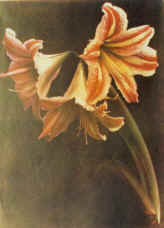
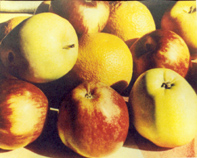
FRANZ RONTAG (1897 -1980) Among the 200 photographs [see catalogue] of all sizes and various subject matters and types of method (silverbomide, stereos, colour transparencies), there are several large size and smaller colour bromoil prints which seem to be of a particular interest in the history of photography. Having browsed through the galleries of bromoil transfers and prints on the internet, I have hardly found any multi-coloured bromoil transfers of this time. So I think the value of the examples shown here cannot really be estimated highly enough. After some extraodinary success at foto shows with his large size black and white photographs in the 1920s, Franz Rontag made an effort of producing coloured pictures not because he wanted to achieve a special artistic effect as many of the artists or "Pictorialists" seemed to be trying to at the early part of the 20th century and still profess to do so today, but rather for the simple reason of rendering beautiful coloured images of the best possible photographic quality and authenticity to reality. He did not want to alter the expression of the picture taken but to achieve a perfect imitation of reality for want of any other feasible process of producing coloured paper pictures for practical use. Of course, he specialised on looking at colourful objects such as flowers, fruits, landscapes and a few human portraits through the lense of his camera. Having to produce identical pictures with the relevant filters in order to gain a naturally coloured image of reality, he had to concentrate on still-lives. The coincidence of the invention of the Ilford Colour negative film with the preparation for war in Europe and economic difficulties seem to have stopped F. Rontag producing coloured images. |
|||||
 |
 |
 |
 |
 |
 |
|
|
|
|
black & white |
|
|
|
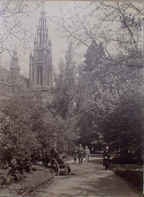
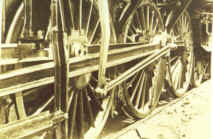
He continued taking pictures of the members of his family after the war and developed those and shots taken on his journeys abroad himself in the small dark-room of his bathroom. After considering all his work which is available, we came to the conclusion that Rontag's taking pictures and developing them was triggered by the technical challenge mainly. He integrated many of the motives of his era, such as the depiction of ordinary objects, technical machinery, grandeur of landscape, people at work symbolic images and more. The influence of his contemporary great photographers can be traced in many of his works. |
|||||